
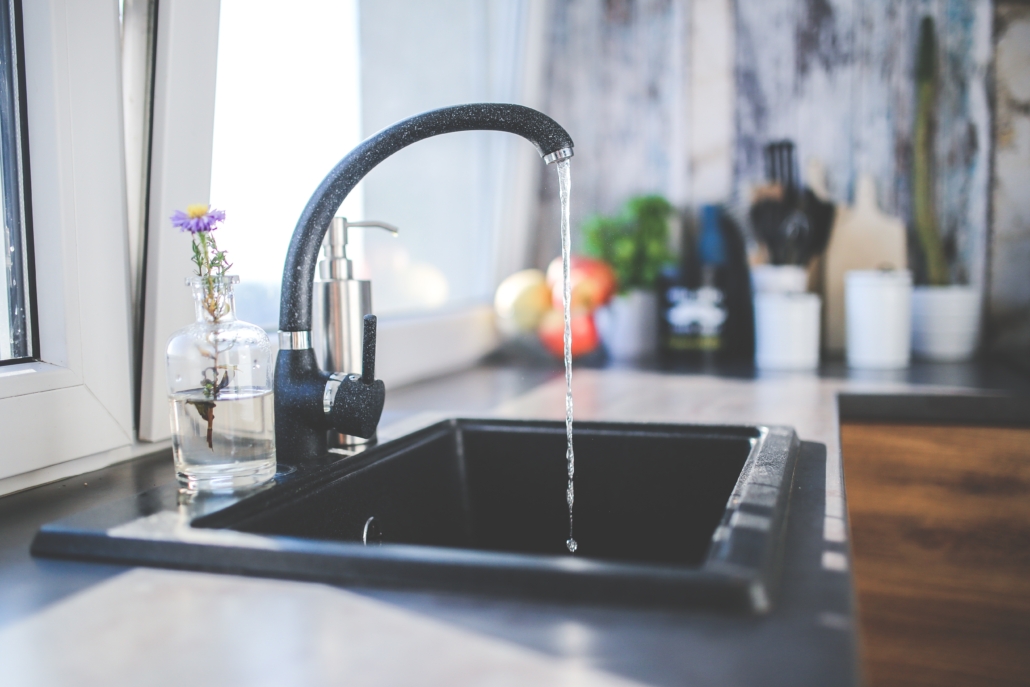
What Your Faucets and Fixtures Can Tell You About Your Water Quality
If you are noticing white buildup around your kitchen faucet, rusty stains in the bathroom sink, or blue-green marks near a drain. Then these changes can be more than a cleaning nuisance. Faucets and fixtures may show some clues about what’s in your water or whether something is happening inside your plumbing.
While appearance alone cannot confirm a water quality problem, recognizing these signs can help you decide when further investigation is needed.
What Different Faucet Stains May Mean
1. White and Chalky Buildup
White and crusty deposits around faucet openings and showerheads are common signs of hard water. Hard water contains high levels of calcium and magnesium, which can leave mineral deposits as water evaporates.
You may also notice spots on glassware, soap scum on bathroom surfaces, or soap that does not lather easily. These signs often occur together because the same minerals affect how water interacts with soap and household surfaces.
A water softener helps in reducing hardness-related scale throughout your home. However, testing is the best way to determine whether hard water is responsible for the buildup.
2. Orange and Reddish-Brown Stains
Rust-colored marks in sinks, tubs, and toilets can indicate iron in the water. Iron becomes visible after reacting with oxygen and leaves reddish-brown deposits on surfaces. Manganese also contributes to darker brown or black staining.
Sometimes, the source is the water supply. In other cases, corrosion or sediment inside household plumbing may be responsible.
If the stains keep returning after cleaning, consider having your water tested instead of assuming the problem is just rust from an old fixture.
3. Blue-Green Marks
Blue or green staining around faucets, drains, and sinks indicates copper corrosion in household plumbing. Water chemistry affects how copper pipes interact with water and allow copper to enter the water and leave colored deposits.
That’s why it is important to pay attention if the discoloration appears alongside a metallic taste or a change in water appearance. These signs demand investigation, and a water test helps in determining whether copper is present at a concerning level.
What Cloudy Water, Residue, and Odor Can Tell You
Not every water quality concern leaves a stain. Cloudiness, visible particles, and unusual smells can also provide clues.
Cloudy water that clears after standing may contain tiny air bubbles. Persistent cloudiness, suspended particles, or sudden discoloration have other causes, including sediment or plumbing issues.
An unpleasant, rotten-egg smell is associated with hydrogen sulfide, while other odors may have different sources. The location and timing of the problem helps narrow down possible explanations.
For example, notice whether the smell occurs at every faucet or only when using hot water. A problem which is limited to hot water points toward the water heater instead of incoming supply.
Is It Your Water or Plumbing?
Before choosing a treatment system, it is important to look for patterns. Check whether the same staining or discoloration appears at multiple faucets, in the shower, and inside toilet bowls. If the problem affects only one fixture, then the issue may be in a localized plumbing. If several fixtures are affected, then the cause could involve the home’s water supply or plumbing system.
You can also observe whether the issue occurs with hot water, cold water, or both. Record when the change starts and whether the water’s appearance has changed suddenly.
If tap water becomes unexpectedly discolored, then avoid drinking it. Contact your water provider if you receive municipal water, or seek appropriate testing and professional guidance if you use a private well.
When Should You Test Your Water?
Water testing is essential when stains repeatedly return, water develops an unusual odor or color, or you suspect a problem involving metals or other contaminants.
Testing helps to identify water hardness, iron, manganese, copper, and other substances relevant to your situation. The appropriate tests depend on your water source and the symptoms you have noticed.
Find the Right Solution for Your Water
At Rabb Water, we help homeowners across North Central Indiana understand their water concerns and explore treatment options suited to their needs. Our solutions include water softeners, drinking water systems, and specialty treatment systems that are designed for specific issues such as staining, cloudy water, and unpleasant odors.
If your faucets and fixtures keep showing signs of a possible water quality problem, start by understanding what is causing them. Contact us today to request a free water analysis and learn which treatment options may be appropriate for your home. We offer water softeners, water filtrations, whole home filters, and reverse osmosis throughout North Central Indiana.